


Menu
Follow US
Contact Us
Yoga Therapy Bar © 2026 | Powered By Barracuda Designs

What is internet gaming disorder (IGD) a.k.a. video game addiction?
Internet Gaming Disorder (IGD), often referred toas video game addiction, is a condition characterized by excessive and compulsive use of video games, often to the detriment of an individual's mental health, physical health, social life, and daily responsibilities. The term Internet Gaming Disorder was first introduced by the American Psychiatric Association (APA) in the Diagnostic and Statistical Manual of Mental Disorders (DSM-5) in 2013, where it was listed as a condition for further study, reflecting growing concerns about problematic gaming behaviors.
Key Features of Internet Gaming Disorder:
1. Preoccupation with Gaming:
o The individual becomes preoccupied with video games, thinking about them constantly, even when not playing. This preoccupation can interfere with daily life, work, or academic responsibilities.
2. Loss of Control:
o Despite negative consequences (e.g., poor academic performance, strained relationships, issues), individuals find it difficult to reduce or stop gaming. They often play for longer periods than intended and cannot control the urge to play.
3. Withdrawal Symptoms:
o When unable to play, individuals may experience withdrawal symptoms similar to other behavioral addictions. These can include irritability, anxiety, depression, and restlessness.
4. Tolerance:
o Similar to substance addiction, people with IGD may develop a tolerance to gaming. Overtime, they need to spend increasing amounts of time playing games to achieve the same level of satisfaction or excitement.
5. Neglect of Daily Activities:
o People with IGD may begin to neglect important responsibilities and daily activities, such as schoolwork, job duties, social interactions, and self-care. Priorities shift toward gaming, often at the expense of relationships, physical health, and overall well-being.
6. Continued Use Despite Negative Consequences:
o Even when gaming causes significant problems—such as poor performance at school, conflict with family or friends, or financial issues—the individual continues to play. This is a hallmark feature of addiction.
7. Escaping Reality:
o Many people with gaming addiction use video games as a way to escape real-life problems, stress, or negative emotions. Gaming becomes a coping mechanism, over time, it exacerbates these issues by causing additional challenges in daily life.
8. Interference with Social and Occupational Functioning:
o Overtime, excessive gaming leads to social isolation, as the individual may avoid real-world interactions to focus on the virtual world. It can also lead to problems with school, work, or relationships due to the time and energy invested in gaming.
Internet Gaming Disorder is a growing concern, especially as video games become more immersive and easily accessible. In recent years, lawsuits against the gaming industry related to addiction and injury have gained more attention, reflecting concerns over the health impacts of prolonged gaming. Below are key examples and trends in legal action against gaming companies:
1. Addiction Lawsuits
· Parents claim their children became severely dependent on the game, leading to issues in their daily lives such as missing school, social withdrawal, and sleep deprivation.
· Microtransactions and Gambling-Like Mechanisms: Several lawsuits have been filed against game developers over the use of loot boxes, which some argue simulate gambling. Critics claim these in-game purchases prey on vulnerable individuals, particularly children, contributing to gaming addiction. Notable cases include actions against companies like Electronic Arts (EA) for its use of loot boxes in games like FIFA and Star Wars Battlefront II. In some countries, like Belgium and the Netherlands, loot boxes have been deemed a form of gambling, leading to legal restrictions.
2. Physical Injury Lawsuits
· Repetitive Strain Injuries (RSIs): There have been lawsuits related to repetitive strain injuries, such as Carpal Tunnel Syndrome or Tendonitis, stemming from extended gaming sessions. Some employees within the gaming industry, especially testers and developers, have filed workers' compensation claims due to such injuries. Gamers, including those involved in esports, have also reported these conditions, but lawsuits in this area are less frequent.
· VR-Related Injuries: Virtual reality (VR)gaming has sparked lawsuits involving injuries. Users have claimed they suffered injuries from falls, collisions with objects, or other accidents while immersed in VR games. Some plaintiffs have argued that gaming companies failed to provide adequate warnings about the risks of using their VR systems.
3. Mental Health and Negligence Claims
· Parental Lawsuits Over Excessive Playtime: Several lawsuits have been filed by parents against game developers, alleging that companies failed to warn about the dangers of gaming addiction, particularly for minors.
· Mental Health Lawsuits Against Esports Companies: There have been cases involving professional gamers, particularly in the esports arena, where players have sued teams or organizations over the effects of long hours, inadequate rest, and mental health neglect. These cases often claim a lack of support for issues such as burnout, anxiety, or depression, which are exacerbated by the demands of competitive gaming.
4. Legal Actions Over Deceptive Practices
· Lawsuits Over False Advertising: Some lawsuits have been aimed at game developers for allegedly misrepresenting the nature of their games. For example, players may claim that the company promised certain features or experiences that were never delivered, leading to dissatisfaction or increased gameplay time in pursuit of these promises. This has been particularly relevant with the rise of games as “live services,” where ongoing content is added over time.
Industry Response:
· Game Companies’ Defense: In many cases, gaming companies defend themselves by arguing that video games are forms of entertainment, and players have the responsibility to manage their own gaming habits. They often liken video games to other forms of entertainment (such as movies or sports) and claim that addiction is not an inherent risk.
· Changes in Game Design: As a result of increased scrutiny, some game companies have started implementing changes to address these issues. This includes parental controls, screen time limits, and more transparent information regarding in-game purchases. Some companies have also begun including addiction warnings and offering support for players who may be struggling with gaming-related issues.
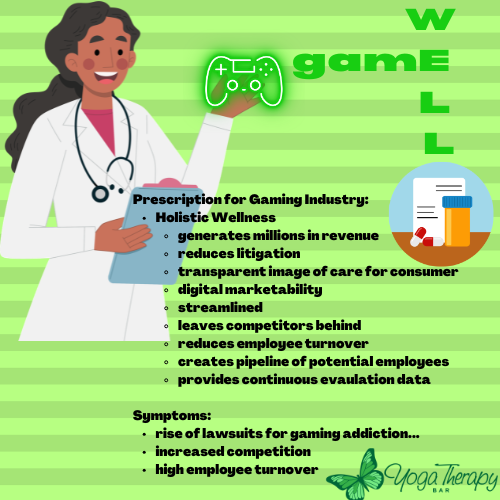
Video game addiction a.k.a. internet gaming disorder has become a growing concern in recent years following the growth of sophisticated online gaming. The National Institutes of Health reports that the World Health Organization states that it is most prevalent among youth adolescents. Individuals who report harm by video game addiction are filing lawsuits against video game manufacturers. The lawsuits seek to hold the gaming companies liable for negligently failing to warn users about the potential for their games to be addictive. Activision Blizzard, Roblox, Microsoft, Nintendo, and other major players in the video game industry filed motions in September 2024 to dismiss a lawsuit alleging they intentionally designed their games to be addictive for profit. The companies argued that the case is protected under the First Amendment. The plaintiff’s video game addiction lawsuit claimed that these companies contributed to a “worldwide epidemic” of video game addiction by making games like Fortnite, Minecraft, Call of Duty, and Grand Theft Auto V excessively addictive, exacerbating issues like ADHD, anxiety, and depression in players. The defendants in the video game addiction lawsuits include major players in the multi-billion-dollar gaming industry such as Google, Dell Technologies, Apple, Nintendo, Microsoft, and Sony Interactive Entertainment. Wellness for esports, gamers, and the global gaming industry is real. Who is willing to take the risk and set the precedent? As an Esports Health Performance Institute Certified Provider, I encourage gaming brands to consider developing wellness strategies to mitigate the rise of lawsuits and to promote the health and wellness of their consumers and employees. An effective wellness strategy can: mitigate litigation, generate millions in revenue, reduce employee turnover, leave your competitors in the dust, provide transparency to the global community that the wellness of your consumers and employees is a priority, be marketable digitally, streamlined, and provide evaluation data that goes on and on until the break of dawn.
Your Master Wellness Program Designer,
Dr. Nekita Sullivan
#esports#gamers#gamerswellness#gamershealth#gamingbrands#gamingmanufacturers#esports#videogamingaddiction#internetgamingdisorder#yogatherapybar#wellnessforgamers #gamingindustry